DR. DEPAEPE
1. WHAT
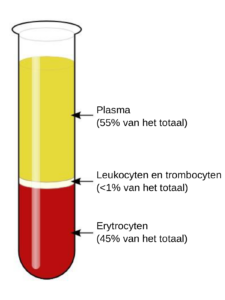
Ons bloed bestaat voor 55% uit een vloeibaar, waterig gedeelte (plasma) en voor 45% uit de bloedcellen. De bloedcellen zijn hoofdzakelijk rode bloedcellen (erythrocyten), aangevuld met witte bloedcellen (leucocyten) en bloedplaatjes (thrombocyten). In de waterige substantie (plasma) bevinden zich onder andere mineralen, koolhydraten, vitaminen, vetten, hormonen en meer dan honderd verschillende eiwitten.
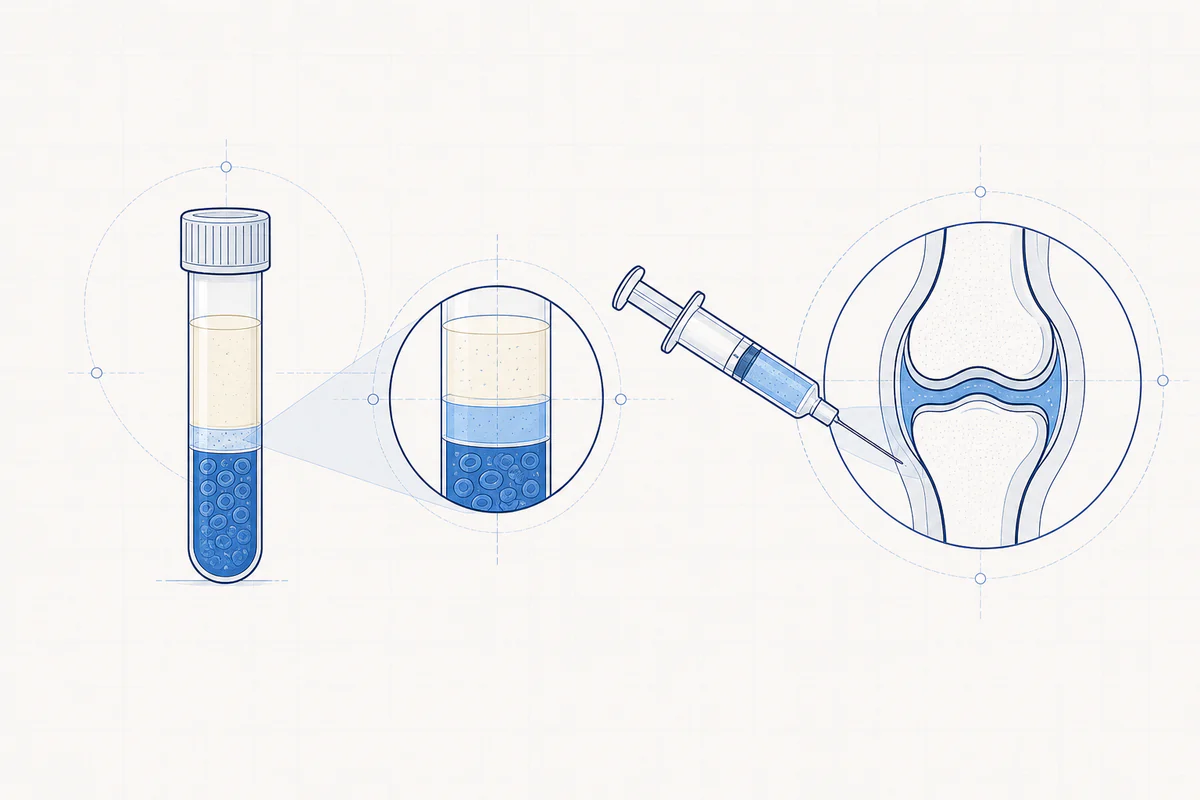
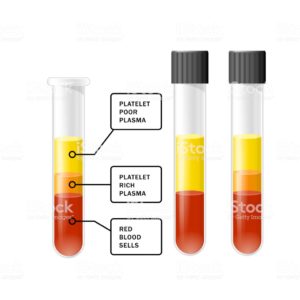
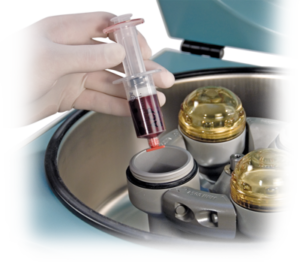
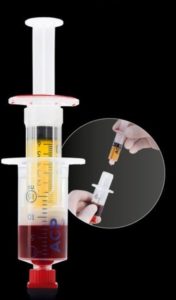
Platelets are best known for their function in blood clotting, but they also contain a large amount of proteins (growth factors) that play an important role in the healing of tissues. PRP is plasma with a higher concentration of platelets (and growth factors) than normal. This is prepared via a centrifuge process.
The exact mechanism of action is not perfectly known. Laboratory studies have shown that the increased concentration of growth factors in PRP can accelerate the healing process.
2. HOW
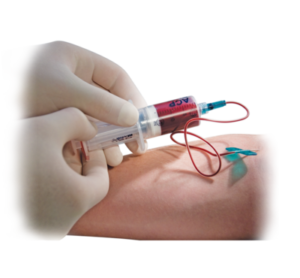
After a blood collection, the plasma (with platelets) is separated from the other blood cells (white and red blood cells) via a centrifuge. The concentration of platelets is increased by this process of centrifugation. The remaining fraction of plasma with increased platelet concentration (PRP) is then injected into the joint. The preparation method of the product may be somewhat complex, but the injection into the joint is a “classic injection”. This injection is therefore no more painful than an injection with another product.
3. INDICATIONS
- Chronic tendon injuries: tennis elbow, Achilles tendonitis, patellar tendonitis (jumper's knee).
- Acute ligament injuries or muscle tears: this can be used in competitive athletes in the hope of improving the recovery process. This can be considered for hamstring injuries, ligamentous knee injuries, ... This therapy mainly receives a lot of attention by professional athletes (e.g. Rafael Nadal, Tiger Woods).
- Osteoarthritis of the knee and shoulder: beneficial effects on pain and swelling are noted after injection of PRP into a joint with wear or cartilage damage.
- Support during a procedure: There is currently little scientific evidence to systematically use PRP during rotator cuff surgery or anterior cruciate ligament repair to accelerate healing.
4. COMPLICATIONS
Since it is a natural product, complications are very rare.
Theoretical complications may include: local allergic reaction, infection or bleeding. Please contact us as soon as possible if you suspect this is happening to you.
5. FACTS
- Can I exercise after an injection? We adviseren om de eerste 48 uur geen intensieve fysieke belasting te doen. Opstart van sportactiviteiten is afhankelijk van het onderliggend letsel. Bespreek dit met uw arts.
- I don't feel any improvement! The effect of a PRP injection is not immediate. Pain relief often only occurs after 6 to 12 weeks.
- How many injections can I get? There is no maximum dose. Usually 1 injection is given. If the result is positive, this can be repeated.
- Price? PRP is a treatment that is not reimbursed by the health insurance company. The price is between 100 euros and 150 euros for a kit.
- No anti-inflammatories in the first 4 weeks after injection. These anti-inflammatories (brufen, apranax, diclofenac, voltaren, mobic, etc.) will counteract the natural healing process of the platelets. In case of pain it is best to use paracetamol.
- Pain after injection. Use ice and paracetamol. This is usually transient and can usually last up to 48 hours.
Frequently asked questions
Orthopedisch chirurg – AZ Jan Palfijn Gent
Specialized in shoulder and knee surgery
The information on this page was prepared by Dr. Yves Depaepe and is intended as general medical information. Always consult your doctor for a personalized treatment plan.