DR. DEPAEPE
1. WHAT
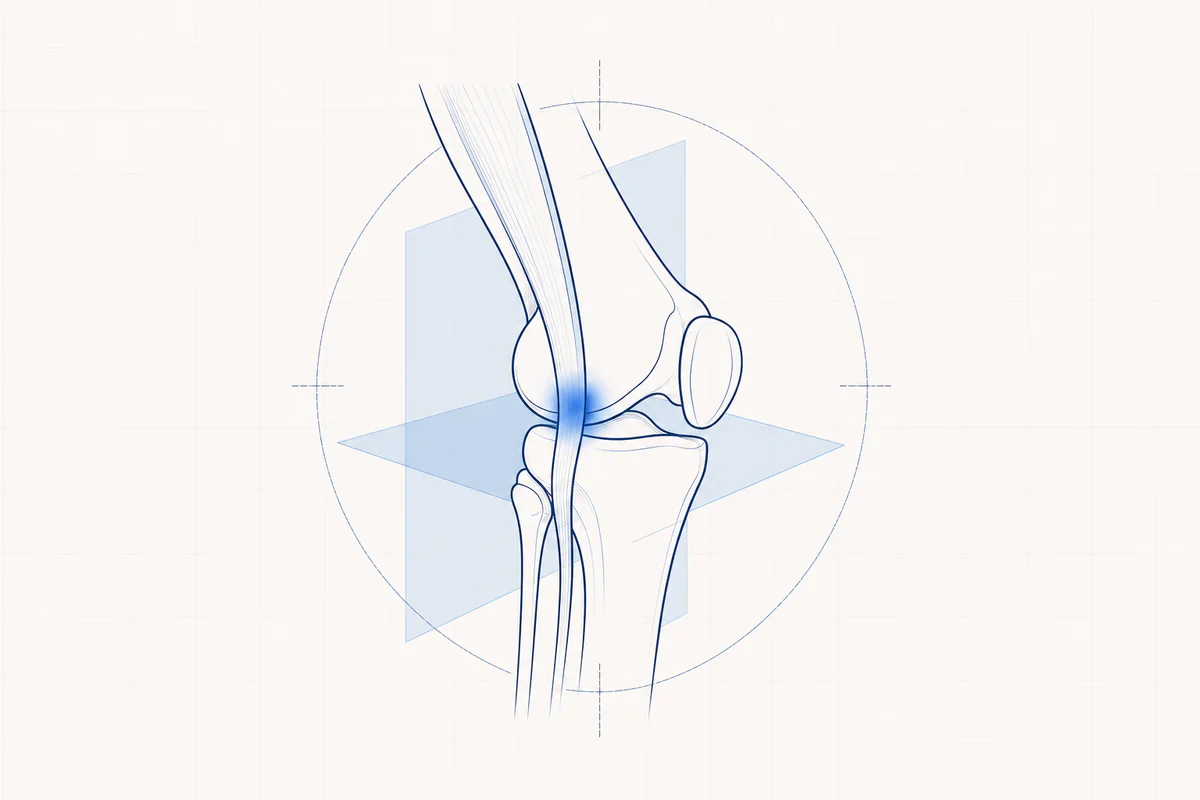
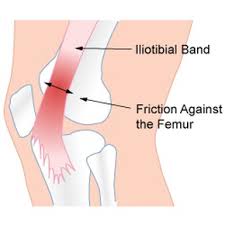
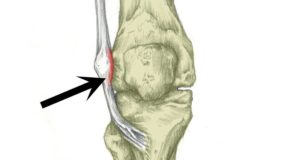
The iliotibial band is the broad tendon plate on the outside of the thigh. The tendon sheet runs from the pelvis to the side of the knee (Gerdy's tubercle on the outside of the shin bone). During bending and extension of the knee, the tendon sheet rubs on the protruding bone on the side of the knee (lateral epicondyle). This causes chronic inflammation of the underlying tissue.
Iliotibial band friction syndrome or runner's knee is a common form of knee pain among long-distance runners, mountain hikers, triathletes, etc.
2. CAUSE
Pain and inflammation arise because the tendon blade repeatedly rubs the side condyle of the knee (lateral epicondyle) and because certain situations put the tendon blade under too much tension and therefore cause extra friction on the side condyle.
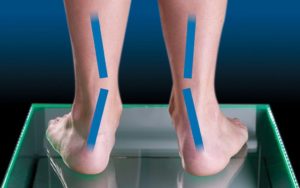
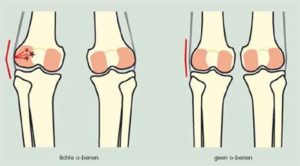
Examples of intrinsic causes: a difference in leg length, insufficient strength of the hip and gluteal muscles, position of the foot (overpronation), bow legs.
Examples of extrinsic causes: worn out shoes, changing running shoes, running on the outside of the road, walking uphill, running on uneven surfaces, increasing training too quickly.
3. COMPLAINTS
Pain and swelling on the outside of the knee, sometimes with pain radiating into the thigh.
The pain usually occurs after walking a certain distance or for a certain duration of exercise; there is usually little pain at rest.
4. RESEARCH
A good clinical examination is important to identify the site of pain. The abrasion of the tendon leaf can also be induced to monitor the pain (renne test).
Ultrasound can often clearly demonstrate the inflammation between the tendon leaf and bone.
MRI scan can be useful for persistent pain. Other causes of knee pain can also be ruled out in this way.
5. TREATMENT
NON-OPERATIVE TREATMENT
First and foremost, the treatment is non-operative!
- Rust: de sport activiteiten moeten voor een bepaalde periode verminderd of gestopt worden. Pijn is hier een zeer goede indicator om de hoeveelheid belasting te bepalen. Ga niet telkens door de pijngrens, want dit zal het genezingsproces vertragen.
- Anti-inflammatory medication.
- Ice applications: 3 times a day for 15 minutes.
- Physiotherapy. Anti-inflammatory physiotherapy, teaching stretching exercises and preventive training of hip and knee muscles.
- Arch support therapy if position abnormalities of the leg or foot.
- Change footwear if there is insufficient cushioning or if the shoes are worn.
- Infiltration with cortisone preparation, sometimes PRP infiltration is also used.
- ESWT or shockwave therapy is also used sporadically.
OPERATIVE TREATMENT
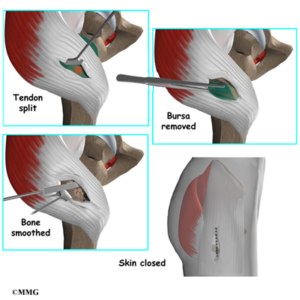
In persistent cases, surgical treatment may be necessary. The operation is done through an incision of a few centimeters on the outside of the knee. A small opening is made in the tendon leaf so that friction and inflammation can no longer occur. All adhesions between bone and tendon leaf are also removed.
ANESTHESIA AND HOSPITAL STAY
The procedure is performed as a day hospital and can be done via an epidural or short general anesthesia.
6. REHABILITATION
After the procedure, it remains very important to follow a physiotherapy schedule to achieve a good end result.
A brace is worn for about 4 weeks to limit friction in the surgical zone.
Cycling is allowed after 4 weeks.
Walking should be stopped for 8 to 10 weeks. It is important that the running training is subsequently built up very gradually.
Regular stretching remains important!
7. PREVENTION – can I prevent it?
Unfortunately, iliotibial friction syndrome cannot always be prevented. However, the risk can be reduced by paying attention to the following:
- Do a full warm-up before and a cool-down after training for about ten to fifteen minutes. Pay sufficient attention to correctly performed stretching exercises.
- Make sure you build up your workouts slowly, so that your body can gradually adapt to the extra load.
- Make sure you have well-fitting shoes with attention to good shock absorption, lateral stability and optimal wearing comfort. Replace the running shoes in time.
- In case of position abnormalities of the legs or feet (bow-legged or bow-legged, bent, flat or hollow feet), good arch supports can help prevent injuries!
- When walking on a road with a sloping surface, the legs are unequally loaded. Friction syndrome occurs more often on the leg that runs on the downward side. So alternate the direction of walking regularly.
Frequently asked questions

Orthopedisch chirurg – AZ Jan Palfijn Gent
Specialized in shoulder and knee surgery
The information on this page was prepared by Dr. Yves Depaepe and is intended as general medical information. Always consult your doctor for a personalized treatment plan.