DR. YVES DEPAEPE
LOCAL ANESTHESIA for shoulder operations or INTERSCALEN BLOCK
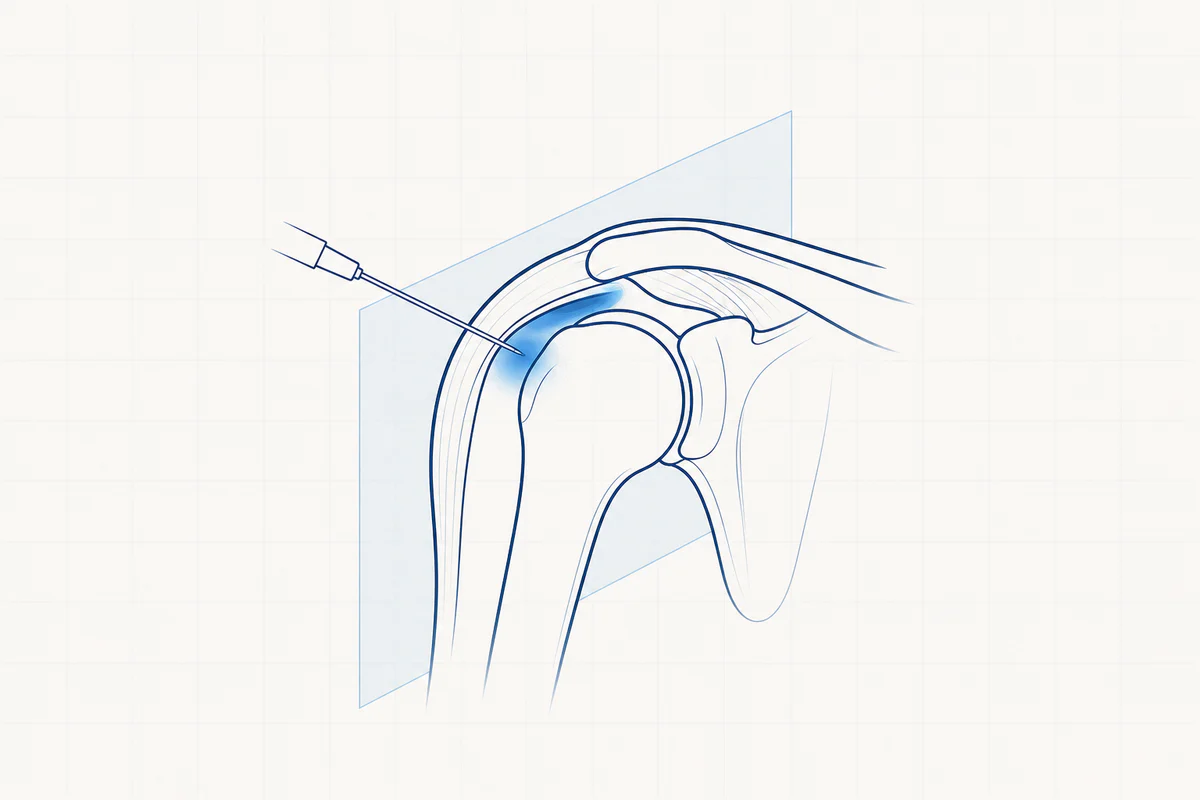
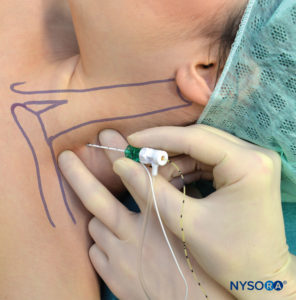
Certain shoulder operations are associated with postoperative pain. This pain can be well controlled by numbing the nerves of the shoulder and arm. Numbing these nerves becomes a interscalene block called and is done by means of a puncture in the neck region by the anesthetist before you go under anesthesia. This interscalene block is performed using ultrasound and/or nerve stimulation (making your muscles move using small electrical currents). The arm becomes heavy and numb as the anesthetic starts to take effect, and this takes an average of 10 hours. After placing this block, the anesthesiologist will start general anesthesia.
Advantages of interscalene block
- Good pain relief for the operated shoulder and a comfortable recovery.
- Less need for strong painkillers and therefore fewer side effects during your hospital stay.
- Less heavy general anesthesia so you wake up faster.
- Less risk of nausea and vomiting after anesthesia.
- Less pain during rehabilitation.
- Easier surgical accessibility due to relaxed shoulder muscles.
Possible complications (list is not exhaustive)
- Temporary hoarseness and a drooping eyelid as the nerves of your eye and vocal cord are close by and are sometimes slightly anesthetized. This disappears together with the anesthesia.
- Slight feeling of shortness of breath if the diaphragm is also anesthetized, especially in patients who already have airway problems. A low dose of oxygen is then given for this. The complaints also disappear when the anesthesia wears off.
- Extremely rarely, the nerve can be hit. In most cases, the nerve recovers over a longer period of time, up to 6 weeks after the operation.
- In rare cases, puncturing the lung tip can cause a small collapsed lung, resulting in shortness of breath. This usually heals spontaneously, but an admission for observation is necessary.
- Allergic reaction to the anesthetic or toxic reaction due to injection into the bloodstream.
- …
Frequently asked questions
Orthopedisch chirurg – AZ Jan Palfijn Gent
Specialized in shoulder and knee surgery
The information on this page was prepared by Dr. Yves Depaepe and is intended as general medical information. Always consult your doctor for a personalized treatment plan.